
Airlines have a strict flight check-in procedure for domestic pet travel. We’ll run through the process here so that you know what to expect.
The procedure may vary depending on the airline. But we’ll give you a general guide here.
Where Do I Drop Off My Pet for Check-In?
The process for dropping your pet off for domestic pet travel isn’t always the same. It differs depending on whether you fly with Virgin or Qantas.
Virgin Ports
Drop-off zones for check-in may vary depending on the airport. But you generally need to drop off your pet at the cargo or freight terminal area.
Your pet travels in the cargo hold in Australia. So, airlines typically require you to bring your pet to the cargo facility instead of the normal baggage check-in.
Qantas Ports
The process is different for those using Dogtainers and flying with Qantas.
For Melbourne and Sydney departures, drop off your pet at a Dogtainers office 2.5 hours before departure. We transport your pet to check in.
For all other Qantas ports, a Dogtainers representative will meet you at the freight terminal for lodgement. We’ll be there for check-in.
When Do I Check In My Pet for the Flight?
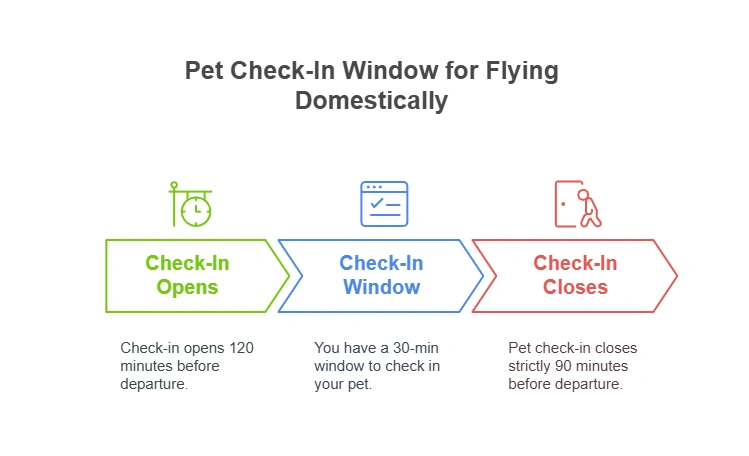
- Check-in for domestic pet travel opens 120 minutes before departure.
- The freight team won’t check in your pet any earlier than this – i.e. 130 minutes before.
- Never arrive earlier than 120 minutes before departure, and expect your pet to get checked in.
- Pet check-in closes strictly 90 minutes before departure.
- You have a check-in window of 30 minutes.
We understand that this short check-in window can add stress when flying with pets.
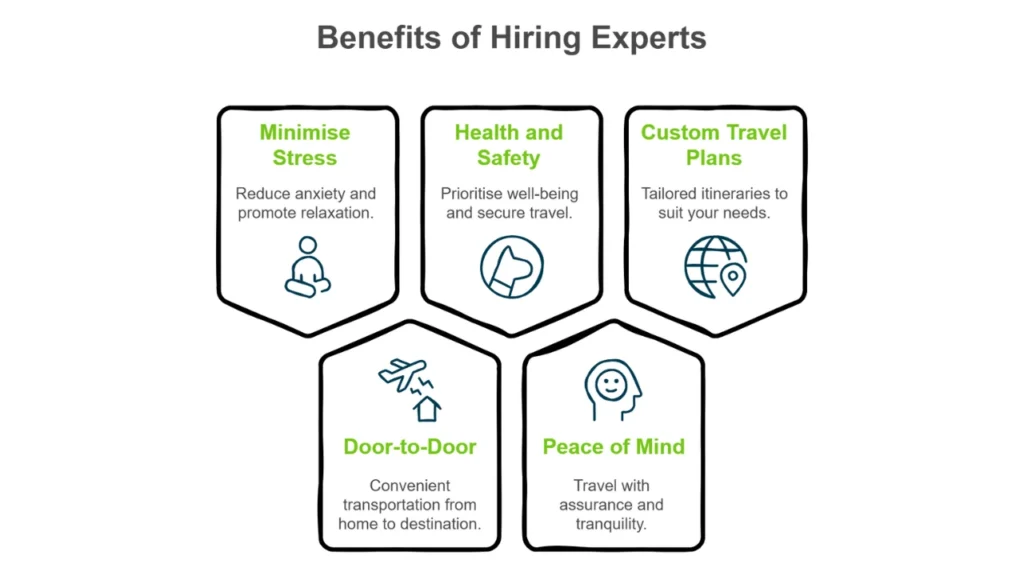
Our door-to-door service can help.
We collect your pet at the departure destination and transport them to your final destination.
- We take care of the check-in process for you.
- You don’t need to worry about checking in your pet and yourself.
- One of our experts is on hand if anything happens – like your pet soiling the crate, a flight delay, or a cancellation.
- No matter where you are in the country, we can take care of your pet and transport them safely to your final destination.
Who Will Be There When I Check My Pet In?
- The airline freight staff will be there to assist during the pet check-in window.
- They’ll check your photo ID and verify your airway bill number and any required paperwork.
- The freight staff weigh your pet in the crate before checking them in – generally, the combined weight (of pet and crate) shouldn’t exceed 65KG. This is for the health and safety of the ground handlers.
- If you booked domestic pet transport with us, one of our expert handlers will meet you at the freight area for check-in on Qantas flights only.
- Booked our door-to-door service? You don’t need to go to the freight area at all. We’ll take care of everything for you.
What Do I Need to Bring for Check-In?
What you need to bring for check-in depends on several factors. These include the domestic destination, pet age, pet breed, and airline.
Dogs Flying to Tasmania
You must complete a biosecurity import declaration when bringing a dog to Tasmania.
Dogs must get treated for hydatids 14 days before departure. This is a simple treatment.
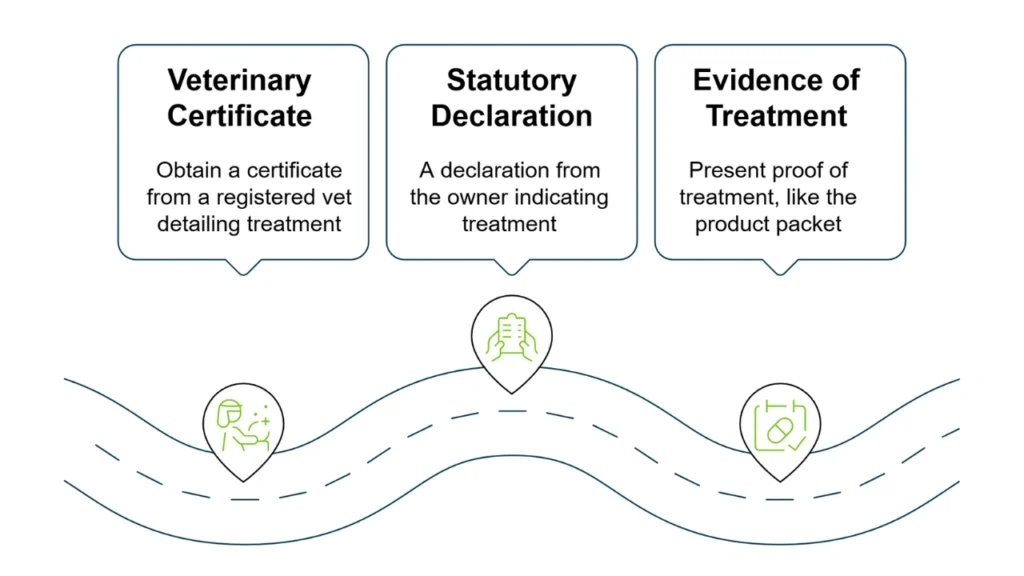
You must provide one of the following to enter Tasmania with your dog:
- A veterinary certificate (from a registered vet) detailing effective treatment within 14 days of export to Tasmania
- A Statutory Declaration from the dog owner indicating effective treatment within 14 days of export
- Evidence of effective treatment, such as the worming product packet
Fit to Fly Certificate
Some pets will need a certificate declaring they’re fit to fly. A registered vet should perform a health check for:
- Pets aged 8-12 weeks
- Pets over 12 years old
- Pets unwell or on medication
- Brachycephalic breeds like Frenchies
The vet will assess your pet and create a letter declaring that they’re fit to fly. Health checks typically must be done within 14 days of departure.
Please note that if the wording does not clearly state that the animal is fit to fly by air travel, they will not be accepted onto the aircraft.
Is your pet a brachycephalic (snub-nosed) breed?
Your vet should assess them for brachycephalic obstructive airway syndrome (BOAS). This assessment and accompanying form must be done within 21 days of your departure.
Only approved Dogtainers vets can clear pets for bookings with us.
You’ll need to present proof that your pet is fit to fly at check-in.
Virgin VAGP Form
The VAGP form is a domesticated animal acceptance declaration. Complete this form before checking in your pet.
You should present a physical copy to airline staff at check-in. Freight staff should have copies available for you to complete if you’re unable to print a physical copy.
Where Does My Pet Go After Check-In?
Your pet is taken into the care of the airline freight staff after check-in. They’re responsible for your pet until departure.
If you use Dogtainers for pet transport, one of our expert handlers will be available to deal with any issues.
For instance, airline staff won’t load your pet onto the plane if they soil their crate. But our handlers are ready to deal with issues like this and will clean your pet’s crate before departure.
Unless there’s an issue, airline staff will:
- Monitor your pet before departure
- Make sure they have water in their crate
- Store them in the freight shed – undercover and shaded
- Transport your pet to the aircraft when it’s time for boarding
Domestic Pet Travel With Dogtainers
We help you plan and prepare for a smooth and stress-free domestic pet travel experience.
Some of our popular domestic destinations are:
Spots might get snapped up quickly because space for pets is limited on planes.
Generally, we can secure flights three months in advance. But we’re limited to 14 days before departure with Qantas.
Flying with pets in Australia can be a smooth process with the right approach.
We’ve been perfecting stress-free pet transport for 50+ years.
Get your quote today for domestic pet travel.
Domestic Pet Travel Check-In FAQ
Where do pets need to be dropped off for check-in when flying domestically in Australia?
For domestic flights in Australia, pets are usually checked in at the airline’s cargo or freight terminal rather than the standard passenger check-in area. The exact drop-off location can vary by airline and airport. For Qantas flights departing from Melbourne or Sydney, pets are typically dropped off at a Dogtainers office around 2.5 hours before departure, then transported to check-in. At other Qantas locations, a representative meets owners at the freight terminal to complete the lodgement process.
What are the exact check-in time windows for pets travelling on Australian airlines?
Check-in for pets on Australian domestic flights opens 120 minutes before departure and closes strictly 90 minutes before the flight. Pets cannot be checked in earlier than this window, even if you arrive ahead of time. This creates a narrow 30-minute check-in period, so timing is critical when planning drop-off at the cargo or freight terminal.
What documents and paperwork are required when checking in a pet for a domestic flight?
The required documents vary based on destination, airline, age, and breed. At check-in, owners must present photo ID, an airway bill number, and any airline paperwork. Dogs travelling to Tasmania need a biosecurity declaration and proof of hydatid treatment within 14 days. Some pets require a vet-issued fit-to-fly certificate, particularly young, senior, unwell, or brachycephalic animals. Brachycephalic breeds also need a BOAS assessment. A completed domesticated animal acceptance declaration form is required at check-in.
Which pets need a vet health certificate or fit-to-fly assessment before travel?
A vet health certificate or fit-to-fly assessment is required for pets that may be at higher risk during air travel. This includes pets aged 8 to 12 weeks, pets over 12 years old, animals that are unwell or on medication, and brachycephalic breeds such as French Bulldogs. These checks are completed by a registered vet, usually within 14 days of departure. Brachycephalic pets also need a specific airway assessment completed before flying.
What happens to pets after check-in and before they are loaded onto the aircraft?
After check-in, pets are placed into the care of the airline’s freight staff until departure. They are monitored, kept undercover in a shaded freight shed, and provided with water in their crate. Airline staff ensure pets are comfortable and safe before boarding. Pets are then transported to the aircraft when it is time for boarding. If any issues occur, such as a pet soiling their crate, you or a trained handler from a pet transport company must resolve the problem before the pet can be loaded. Airline staff won’t load your pet if their crate is soiled, so having a pet transport handler to resolve these issues is very valuable.



Share this article