

Taking your pet from Australia to Singapore can feel intimidating at first. The good news is that Australia is classified as a Schedule 1 country, which means the import process is simpler than for many other destinations.
But there is still a set process you need to follow when taking your pet from Australia to Singapore. When all requirements are met, pets can enter Singapore without unnecessary complications.
Singapore’s rules are detailed, and missing a step can result in refused entry, so it’s crucial to ensure everything is done correctly. This is where help from a pet transport company can significantly reduce stress.
Here, we’ll walk you through what you need to know from start to finish. This includes preparation in Australia, permits and certificates, travel conditions, and what happens when your pet arrives in Singapore.
Let’s jump in, shall we?
Can Pets Travel from Australia to Singapore?
Yes, pets can be imported from Australia into Singapore. Australia is recognised as a low-risk country for rabies, which makes the import process more straightforward compared to high-risk countries.
- In practical terms, being a Schedule 1 country means Australia meets Singapore’s strict biosecurity standards.
- Pets coming from Schedule 1 countries face fewer testing and quarantine requirements, as long as they meet all health and documentation conditions.
When all import conditions are met, quarantine is generally not required for pets arriving from Australia. Your pet will still be inspected on arrival, but most dogs and cats can be released shortly after checks are completed. Following each step carefully helps ensure a smooth entry into Singapore.
Pre-Travel Requirements for Pets from Australia (Schedule 1)
Before transporting your pet to Singapore, a few essential health and identification steps must be completed. These requirements apply to Schedule 1 countries, including Australia, and help ensure pets arrive safely and meet Singapore’s entry standards.
Microchipping
Your pet must have a permanent microchip implanted before travel. This microchip is your pet’s primary form of identification during the import process.
The microchip number must be listed correctly on every document. This includes vaccination records, the health certificate, and the import permit. Any mismatch can delay release on arrival.
Standard Vaccinations
Dogs must get the following vaccinations:
- Canine distemper virus
- Canine adenovirus type 1
- Canine parvovirus type 2
Cats must get the following vaccinations:
- Feline Calicivirus
- Feline Herpesvirus-1
- Feline Panleukopenia virus
Puppies and kittens travelling between the ages of 12-16 weeks require evidence of 2 vaccinations given according to the vaccine manufacturer’s recommendations.
Rabies Vaccination
For pets travelling from Australia, rabies vaccination is not required. Australia’s rabies-free status means Singapore doesn’t require rabies testing or vaccination for dogs and cats imported from Australia.
This exemption is one of the key reasons the import process is simpler for Australian pets. There’s no rabies waiting period to manage and no rabies vaccination timing to factor into your travel plans.
But note:
- You should still be mindful of vaccination timing relating to the standard vaccinations.
- Your pet must still meet all other health and documentation requirements.
- They must be healthy and fit to travel at the time of export and arrival.
External and Internal Parasite Treatment
Dogs and cats must be treated with a product effective against external parasites (fleas and ticks) between 2 and 7 days of export. The active ingredient and date of treatment must be recorded.
They must also be treated with a product effective against internal parasites (nematodes and cestodes) between 2 and 7 days of export. Again, the active ingredient and date of treatment must be recorded.
General Health and Fitness
Your pet must be healthy and fit to travel. Animals showing signs of illness may not be approved for export or entry.
A pre-export veterinary examination is required to confirm your pet’s health status. During this check, the vet reviews your pet’s condition, vaccinations, and identification before issuing the necessary health documentation.
Import Permit and Documentation
Even though Australia is a Schedule 1 country, Singapore still requires specific approvals and documents before your pet can travel. These steps help authorities review your pet’s details in advance and ensure everything is in order on arrival.
Singapore Import Permit
You must obtain a Singapore import permit before your pet travels. This permit is issued by Singapore’s animal authorities and confirms your pet is approved to enter the country.
The import permit is valid for a limited period of 90 days, so travel must take place within the approved window. If your pet arrives after the permit expires, entry may be refused.
Timing matters. Applying too early or travelling too late can cause unnecessary delays, so it’s important to align flights with the permit’s validity dates.
Veterinary Health Certificate
Your pet must travel with an official veterinary health certificate. This certificate confirms your pet is healthy, fit to travel, and meets Singapore’s import conditions for Schedule 1 countries.
The certificate is issued by an accredited veterinarian in Australia. It must be completed shortly before departure, within the timeframe specified by Singapore authorities.
Approved Travel and Transport Conditions
Singapore has strict standards for how pets are transported. These rules focus on animal welfare and biosecurity during travel.
Travel Crates and Airline Standards
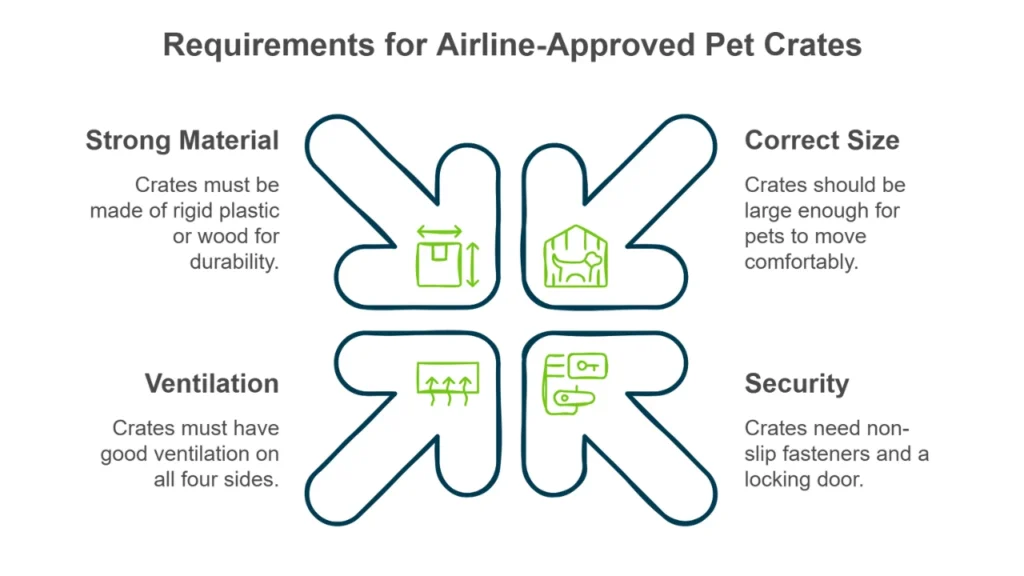
- Pets must travel in IATA-compliant travel crates. Pet transport crates are designed to keep pets safe and comfortable during air travel.
- Correct sizing is essential. Your pet should be able to stand, turn around, and lie down comfortably.
- Crates must also have proper ventilation to allow airflow throughout the journey.
Airlines may refuse travel if the crate doesn’t meet these standards.
Direct Travel from Australia
- Pets imported from Australia must travel by direct shipment. This helps maintain Australia’s Schedule 1 status and reduces biosecurity risk.
- If transit is unavoidable, your pet must not come into contact with other animals during the journey.
- Mixing with animals from other countries can affect eligibility and cause entry delays.
Careful planning of flights and routes helps keep your pet’s journey smooth and compliant.
Arrival in Singapore
Once your pet arrives in Singapore, the authorities perform final checks to confirm all import conditions have been met. For pets travelling from Australia, this stage is usually straightforward when the paperwork is correct.
Inspection on Arrival
- On arrival, officials will complete document verification. They’ll review the import permit, veterinary health certificate, and supporting paperwork.
- Your pet’s microchip will be scanned to confirm it matches the details listed on all documents. This step is essential and helps verify your pet’s identity.
- A brief general health inspection follows. This checks that your pet appears healthy and fit after travel. If everything is in order, your pet can proceed without delay.
Quarantine Requirements for Schedule 1 Countries
For pets arriving from Schedule 1 countries like Australia, quarantine isn’t usually required.
To avoid quarantine, all conditions must be met. This includes:
- A valid import permit
- Accurate and matching documentation
- A healthy pet with no signs of illness
If requirements aren’t met, authorities may impose further measures. Careful preparation helps prevent this.
Exporting Your Pet from Australia
Meeting the Singapore entry requirements is only part of the process. You must also follow the process for Australian pet exports before your pet can travel internationally.
These rules ensure pets are healthy, properly prepared and travelling in line with Australian law.
Here’s what’s involved in getting a pet export permit from Australia.
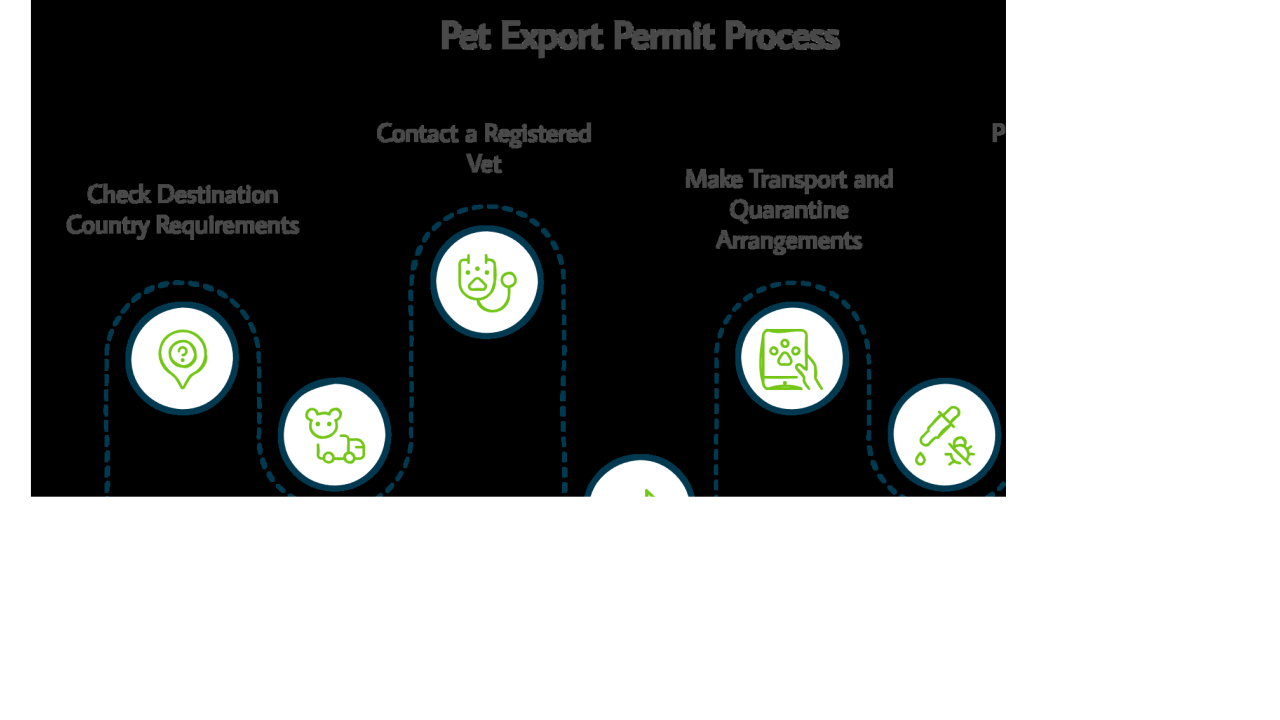
Step 1: Check Destination Requirements
Now, you already know the requirements for taking your pet from Australia to Singapore. If you’re unsure about anything, you can also contact a pet transport company such as Dogtainers for further advice.
Step 2: Book a Pet Transport Company
Working with a professional pet transport company is essential for exporting pets from Australia. We also make the process as stress-free as possible.
Our experts understand the rules, paperwork and logistics involved inside and out. We take a lot of the stress off your plate and ensure the process goes smoothly.
The best pet transport provider will help with flights, crate sizing, documentation, timing and more.
Step 3: Contact a Registered Vet
You must work with an approved veterinarian in Australia, preferably one who’s experienced with international pet transport. If you use our services, we provide registered vets who know exactly how the pet travel process works.
They’ll help you with:
- Microchipping
- Health checks
- Vaccinations
- Parasite treatments
Booking these appointments well in advance is vital. But don’t worry, Dogtainers helps you every step of the way.
Step 4: Submit a Notice of Intention to Export
Once your timeline and travel details are confirmed, you (or your pet transport provider) will need to submit a Notice of Intention to Export to the Department of Agriculture, Fisheries and Forestry (DAFF).
This form gives the department details about:
- Your pet (species, breed, age, microchip number)
- Your export plans (dates, flight info)
- The destination country’s requirements
Step 5: Make Transport Arrangements
Now’s the time to book flights, confirm crate details, and make all travel arrangements. Dogtainers can guide you through this process to make sure all boxes are ticked.
Step 6: Prepare Your Pet for Export (Treatments, Vaccinations, etc.)
Based on the import conditions for Singapore, your pet needs:
- Microchipping
- Standard vaccinations
- External/internal parasite treatments
These treatments must be done within a specific time frame before travel, so follow the schedule carefully. Keep records of everything, as you’ll need to show them at your final appointments.
Step 7: Arrange a Final Vet Examination
Before your pet can fly, they must pass a final health check to confirm they’re fit for travel and meet Singapore’s requirements.
This check is done by your registered vet and includes a final review of all treatments and paperwork. If everything is in order, the vet will issue a Veterinary Health Certificate, which is essential for your permit application.
Step 8: Arrange a Pre-Export Appointment with DAFF
Booking a pre-export inspection with the DAFF is the last step. You must have all documentation completed to demonstrate your pet meets Singapore’s entry requirements. You can provide everything by email before your inspection appointment or present it during the appointment.
Note: Dogtainers can attend this appointment on your behalf.
At this appointment, the certifying government vet will:
- Check your pet’s microchip
- Review all health documents
- Confirm your pet is fit and safe to fly
The certifying vet determines if your pet is eligible for export.
Some countries need DAFF officers to verify an animal’s identity. In this case, your pet must attend the appointment with you. Otherwise, your pet doesn’t need to be there, as the DAFF vet just needs to verify all documentation.
Authorities issue your export permit and health certificate when your:
- Pet has been prepared in line with the importing country’s requirements
- Consignment complies with Australian export legislation
Taking Your Pet from Australia to Singapore with Dogtainers
Although taking your pet from Australia to Singapore takes attention and preparation, it doesn’t have to be stressful. With Dogtainers, our experts help you every step of the way to ensure each stage of the process is completed correctly.
We guide you all the way, from advising you on pet eligibility to arranging vet inspections. You don’t have to go through the process alone.
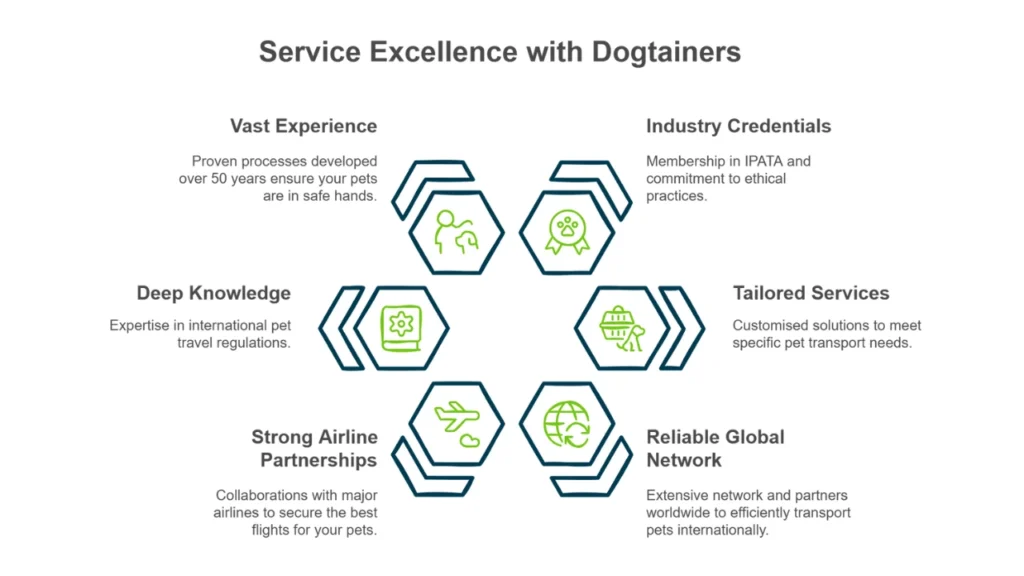
Our experts have been helping pet owners like you with international pet transport for over 50 years. We’re Australia’s oldest and most reliable pet transport company with:
- Vast experience
- Industry credentials
- Tailored services
- Reliable global networks
- Strong airline partnerships
- Deep regulatory knowledge
Conclusion
Australia’s Schedule 1 status makes bringing your pet to Singapore simpler than many other international moves. The process goes smoothly when handled correctly.
The key is early planning and accurate paperwork. Applying for permits on time, checking microchip details, and following travel requirements closely can help avoid delays or complications on arrival.
The process is detailed, but it’s manageable with the right preparation, especially when you hire a pet transport company like Dogtainers. Taking your pet from Australia to Singapore can be a smooth and stress-free process.
Get your quote today for relocating your pet from Australia to Singapore.
Pet Travel from Australia to Singapore FAQ
1. Do pets travelling from Australia to Singapore need quarantine?
No. Pets travelling from Australia usually don’t need quarantine if all import conditions are met. Accurate paperwork and a healthy pet are essential.
2. Is rabies vaccination required for pets coming from Australia?
No. Rabies vaccination isn’t required for dogs or cats imported from Australia, as it’s a Schedule 1 country.
3. How long is the Singapore import permit valid for?
The import permit is valid for a limited period of 90 days. Your pet must arrive in Singapore within 90 days from the date of issue.
4. Does my pet have to travel directly from Australia to Singapore?
Yes. Pets should travel by direct shipment from Australia. If transit occurs, pets must not mix with animals from other countries.
5. What happens if my pet’s documents don’t match on arrival?
If documents or microchip details don’t match, your pet may face delays, further checks, or additional requirements. Careful preparation helps avoid this.



Share this article